Hella Jongerius: Whispering Things
14.03.2026 – 06.09.2026
Hella Jongerius is among the most influential designers of the past decades. Since the start of her career in the 1990s, she has created groundbreaking works in many different disciplines, including textiles, ceramics, furniture, lighting, and sculpture. Jongerius’ research-driven approach has been a defining influence for an entire generation of young contemporary designers. The exhibition is the first retrospective of Jongerius’ oeuvre and will explore all phases of her work, including her famed collaborations with Maharam, KLM, Camper and Vitra. It is based on Jongerius’ studio archive, acquired by the Vitra Design Museum in 2024. The centre stage, though, goes to the methods of JongeriusLab – layering ideas, drawing connections, emphasising materiality, exposing process, and researching deeply, with a dedication to craft, colour, and cosmic thinking. The exhibition is accompanied by a major publication, including a documentation of the Jongerius archive at the Vitra Design Museum.
The exhibition is supported by Global Sponsor Maharam, Sponsor Camper, and the IKEA Stiftung.
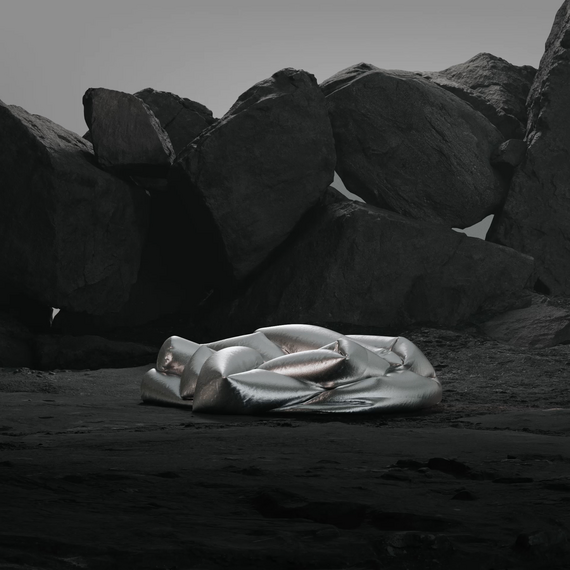
Image: Keyvisual Hella Jongerius: Whispering Things © Vitra Design Museum Graphic Design: Joost Grootens based on the work Falling Vases Paintings by Hella Jongerius

Verner Panton: Form, Colour, Space
23.05.2026 – 09.05.2027
He designed living landscapes and suspended chairs from the ceiling: Danish architect Verner Panton (1926–1998) is one of the twentieth century’s most influential designers. His work – from furniture, fabrics, and lamps to sculptures, buildings, and interiors – radically redefined form, colour, and space. In 2026, Panton would have turned 100. The exhibition at the Vitra Design Museum’s Schaudepot presents a part of his work chronologically and thematically, with chapters dedicated to key creations such as the Panton Chair (c. 1956–1967) and the 1970 Visiona II installation. It also explores Panton’s historical context, from new materials and production techniques to postwar social changes and the Space Age. The Vitra Design Museum maintains one of the most important Verner Panton collections of Verner Panton designs. These holdings serve as a key resource for exhibitions, loans and publications all under approval by the owner of all rights Verner Panton Design AG. The highlight of the exhibition is a walk-in reconstruction of the legendary 1970 Fantasy Landscape.
Image: Verner Panton, »Fantasy Landscape«, installation view of the »Visiona II« exhibition, International Furniture Fair Cologne, 1970 © Verner Panton Design AG

Geoffrey Bawa: Architecture for the Senses
26.09.2026 – 28.02.2027
With a career spanning five decades and over 200 projects, Geoffrey Bawa (1919-2003) counts as one of the most influential 20th-century architects in Asia. His work blends the principles of Modernism with vernacular and traditional elements to form a distinctive architectural language that responds sensitively to context, to local materials cultural identities. Bawa’s remarkable oeuvre shaped the architecture of postcolonial Sri Lanka, and includes hotels, private residences, schools, universities, factories, office buildings, and the country’s parliament. Today, his approach is being rediscovered worldwide as a guiding inspiration for socially and ecologically sustainable building practice.
In 2026, the Vitra Design Museum and M+ Hong Kong in collaboration with the Geoffrey Bawa Trust, will present the first major retrospective on Bawa in two decades. The exhibition foregrounds recurring themes in his work from interdisciplinary collaboration and ecological, social and cultural engagement to the formal qualities that define his architecture. Through an unprecedented wealth of drawings, models, furniture, photographs, and films, it brings to life the captivating, sensory quality of Bawa’s enduring legacy.
An exhibition by the Vitra Design Museum and M+ in collaboration with the Geoffrey Bawa Trust
Image: Geoffrey Bawa at his country house Lunuganga, c. 1996 © Dominic Sansoni